My research team is interested in studying how to improve strategic forecasting ability. As a key empirical context, we have selected the auto industry undergoing dramatic technological changes.
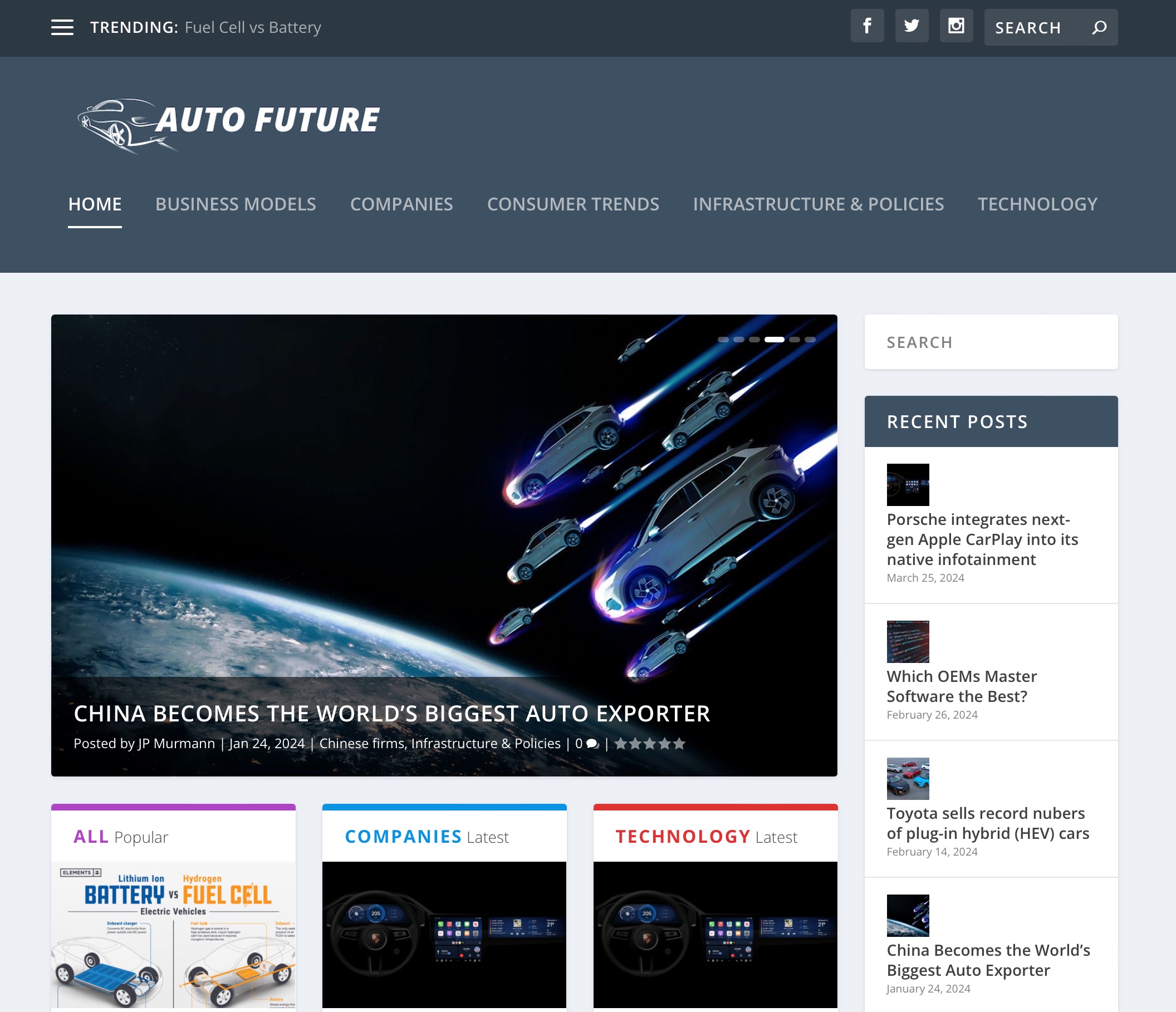
Click on the picture to access auto-future.org
My research team is interested in studying how to improve strategic forecasting ability. As a key empirical context, we have selected the auto industry undergoing dramatic technological changes.
Click on the picture to access auto-future.org
I have two new publications about the new competition in the auto industry. A Capabilities Framework for Dynamic Competition: Assessing the Relative Chances of Incumbents, Start-Ups, and Diversifying Entrants (with Fabian Vogt in Management and Organization Review) Exploring the structure of internal combustion engine and battery electric vehicles: implications for the architecture of the automotive… More »
Economist reports on research on what motivates employees. The story identifies six different archetypes, far too few to reflect the complexity of individuals but a lot better than a single lump of employees. “Pioneers” are the people on a mission to change the world; “artisans” are interested in mastering a specific skill; “operators” derive a… More »
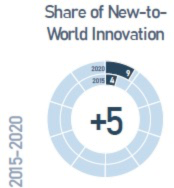
It is of interest in China and across the world to predict whether China will catch up with the most economically advanced nations in innovation capacity. To facilitate an ongoing assessment of China’s innovation capacity, the article develops a China Innovation Capacity Growth Index composed of eight separate measures. China’s performance in 2020 is compared… More »
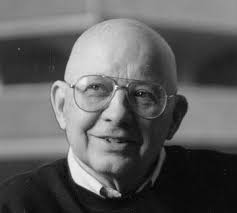
Peter Ping Lee interviews James March. I provide here what I personally found the most interesting part of the full interview. Peter: In your MOR 2005 article (March 2005), you referred to the peripheral position of the indigenous research communities relative to the mainstream research community. Do you think the Chinese research community is like… More »
Huawei has become China's most prominent multinational company and a leader in the ICT sector. Given unprecedented access to the company, the authors of this book examine the management transformation of Huawei from its inception in 1987 until 2019, observing in detail not only the creation of its organizational routines but also the breaking of… More »
GM had a hydrogen-powered bus in 1967. VW and Mercedes had experimental hydrogen-powered cars in mid-1970s. Here is a list of vehicles produced by various companies. WSJ.com has produced a great video explaining why hydrogen cars are still not around the corner, despite the technology’s great promise.
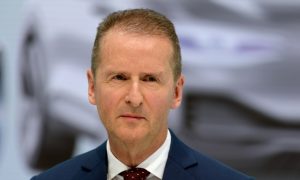
This is a Deepl AI translation of the speech of VW CEO to employees in January 2029. The complete speech of the VW boss in the wording:
“Ladies and gentlemen,
the world is on the move. Politically and technologically, we live in an incredibly dynamic time. A turn of an era stands before us – from the dimension of the industrial revolution. And Volkswagen is in the midst of the storm of the two greatest transformation processes:
– Climate change and the associated pressure to innovate towards emission-free driving.
– And digitalisation, which is fundamentally changing the automobile as a product.
Our Group is not always in the best position to react quickly and systematically enough to these developments. Measured against this, we have not done badly so far. This is also acknowledged by market observers. In 2019 in particular, analysts have gained new confidence in our strategy.
At the beginning of this year, Kepler Cheuvreux attested: “We think VW is the best positioned player in the industry to master the CO2 challenge. And Goldman Sachs says: “We expect VW Group to continue to prosper this year as a result of ongoing positive sales developments at VW brand, a pick-up in sales at Audi, and broadly flat margins.
In the Litigation area, we are making the risks from the diesel crisis more manageable step by step. In terms of corporate culture, we are seeing tangible and measurable progress. I am pleased that we have increased our integrity by three points in the sentiment barometer.
Our modern MQB-based model range in terms of volume and the new Porsches, Audis, Lamborghinis and Bentleys are convincing customers. We are improving the quality of our business. Revenue and earnings are growing faster than unit sales. In China, we increased our market share by 1.4 percent in a sharply declining market. This is a great achievement, which hardly anyone would have expected from us. Congratulations to Stephan Wöllenstein and his team on their outstanding performance!
In South America we are back in the black for the first time, and we have also turned our business around in Russia. In North America, we have significantly improved our earnings and are aiming to break even this year. Volkswagen Financial Services will have a record year in 2019, and the component has taken decisive steps in battery development and production.
At Audi, the e-tron got off to a successful start, development costs were reduced and a comprehensive cost reduction programme was launched. Porsche has once again delivered excellent figures and cars and set an example with the Taycan. Seat conquers new and young customers with Cupra. Skoda is running at full speed and will present the new models in India, an important future market for us, at the beginning of February.
VW Commercial Vehicles has put the extremely important Ford cooperation on track, and Traton has completed its IPO. We are seeing positive trends at Bentley, Ducati, Bugatti and Lamborghini, and Bentley in particular is back in the black. The Volkswagen core brand has worked hard to further increase returns. All in all: good developments.
“The storm is just beginning”
Day and Shoemaker have developed a useful framework and toolkit for assessing how much peripheral strategic vision your company needs.
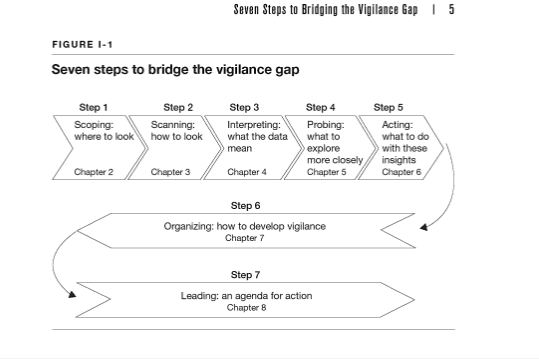
An MIT Sloan article lays out the ideas in three steps.

More details on the toolkit are in their HBR article that can be assessed here.
I did a four-minute interview with the HSG Focus Magazine.